
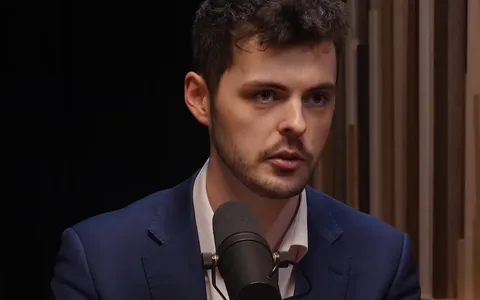
YouTube is where people already go to learn, so a learning product fits there better than anywhere else. For course platforms, language apps and learning subscriptions, the formats that fit are 60-90 second integrations, dedicated videos and Shorts, each creator with a unique link, code or QR, and each one judged by the paid subscribers it brings, not by trial starts. Brands we’ve worked with include Skillshare.
An integration from our network
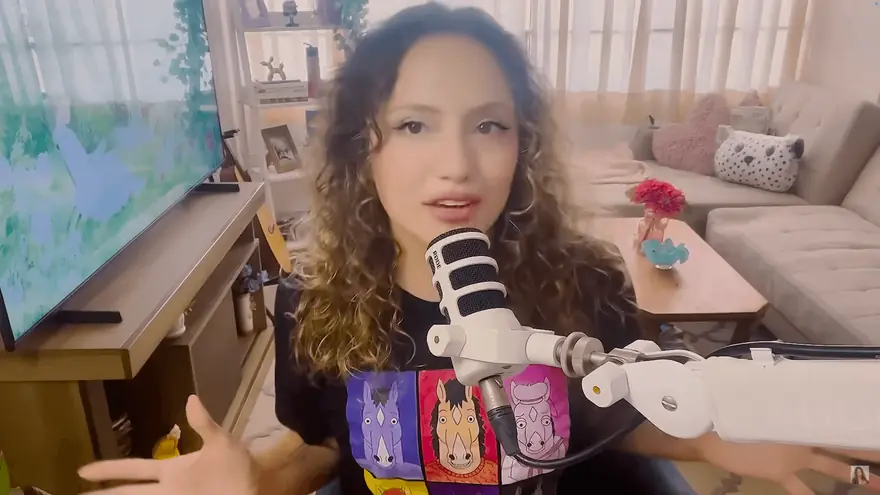 Enlarge image
Why YouTube works for online education
The audience is already in learning mode
People open YouTube to learn how to edit a video, draw, speak English, code or pass an exam. When a creator in that space recommends a course or an app, the viewer is not interrupted: they are offered the next step in what they were already doing. That is purchase intent you do not have to create.
A course is a promise, and the creator is the proof
Every learning product promises the same thing: you will be able to do something you cannot do today. The creator is living proof. When they show the class they took, the project they made or the words they learned, they sell the outcome, not the catalog. That is the difference between “thousands of classes” and “this is how I learned to animate”.
Subscriptions need a reason to start today
Learning is easy to postpone. A free trial, a free class or a discount tied to the creator gives the viewer a reason to start now, and a unique link tells you which creator made it happen.
Which format fits a learning product
Learning products sell on the outcome, so a 60-90 second integration works best when the creator shows something they made or learned with the platform, plus the offer. A dedicated video such as “I tried to learn X in 30 days” suits a launch or a new language. Shorts work after the main video: a tip from the course, a before and after, a reminder that the trial ends soon. Not sure which fits your budget? Our guide compares integrations and dedicated videos.
What EdTech brands measure
How many viewers took the first step
Unique link or QR per creatorThe real quality of each creator’s audience
The brand’s subscription report, per link and codeRevenue you can count
Conversions per creator once the trial endsWhat each paying subscriber cost
Total cost divided by paid subscriptions, per creatorSign-ups from viewers who did not click
Personal code per creatorWith free trials, the real number arrives when the trial ends, not on the day the video goes live, so it is worth judging each creator after that point. To plan the numbers in advance, use the YouTube sponsorship calculator and our guide to sponsorship ROI.
What to check before choosing a creator for a learning brand
Audiences that want to get better at something
Look for creators whose viewers want a skill: design, illustration, video editing, music, photography, programming, languages, productivity or career growth. We review the audience data the creator shares, because a subscription needs viewers with the age and the means to pay for it.
The creator has to be credible on the topic
A learning product promoted by someone who obviously never used it does more harm than good. Creators who can show real use work best: the class they took, the project they made, the progress they achieved. Where they cannot, it is better to change the angle than to force a testimonial.
Who pays
Education is often bought by parents, students and employers, not only by the viewer. Check that the creator’s tone and recent sponsors fit the person who will pay. The creator writes the script in their own voice from our brief, and the brand approves it before anything is published.
Our network is strongest in Spain and Latin America. How a campaign runs, step by step, is on our YouTube sponsorships page.
Result: Conquer Blocks × Inocente Duke
Conquer Blocks, an online education academy, ran two integrations with Inocente Duke and got a ROAS of more than 100. ROAS is the revenue a campaign brings in for every dollar invested: here, more than $100 for each $1. See our work.
Education brands we’ve worked with

Creators from our network
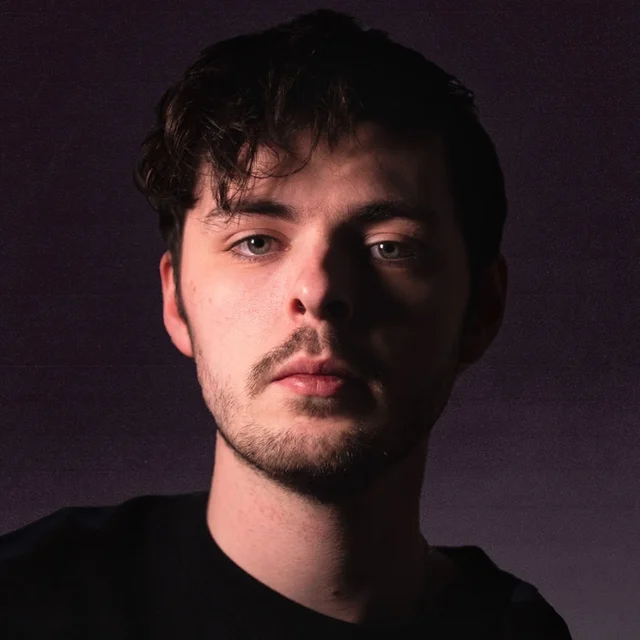
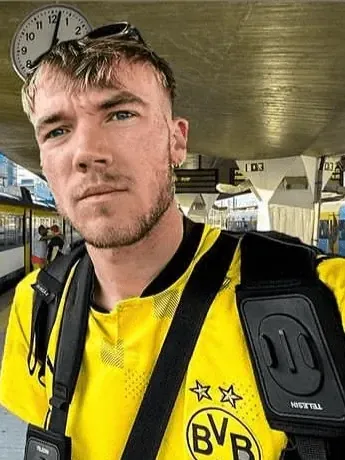
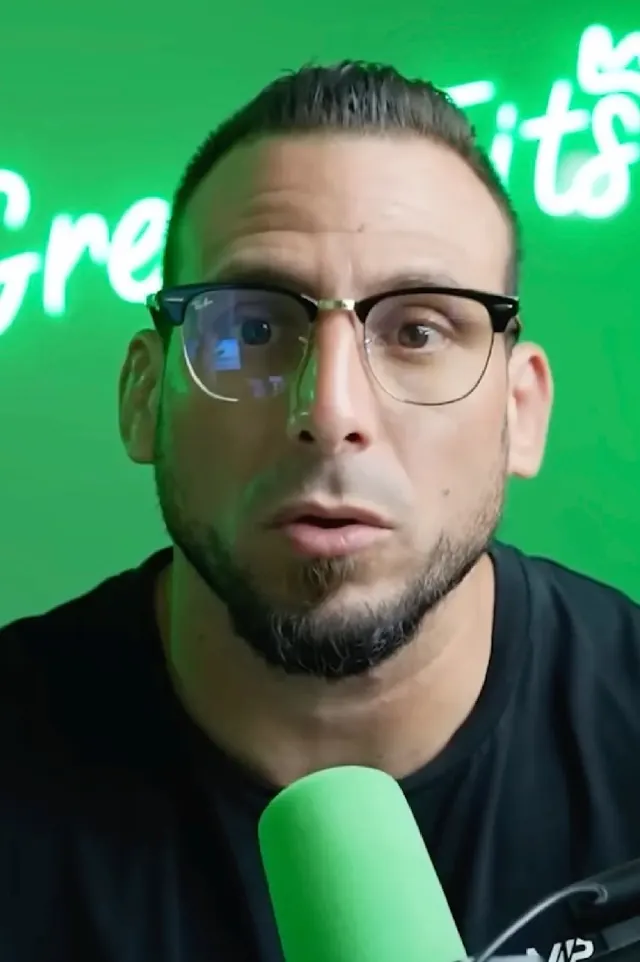
Some creators from the ICONX network. The network covers tech, travel, lifestyle, food and many other niches.

Keep reading
How to hire YouTube influencers
Goal, format, vetting, brief, negotiation and measurement, step by step.
Read the guide PricingHow much does influencer marketing cost?
Sourced market prices for YouTube sponsorships and commissions.
Read the guide IndustryApps and software
Install campaigns with links, codes and QR codes on screen.
See the sectorFrequently asked questions
Which education brands has ICONX worked with?
Brands we’ve worked with include Skillshare, the online learning platform for creative classes. The same approach suits course platforms, language apps and other learning subscriptions.
Why sponsor YouTube creators instead of running ads for an online course?
Because YouTube is already where people go to learn. A creator who shows what they learned on the platform, in their own video, sells the outcome of the course, and the audience trusts that more than an ad promising the same thing.
What does an EdTech brand measure in a creator campaign?
Free trial starts, trial-to-paid conversion, paid subscriptions, cost per acquisition and code redemptions per creator, using unique links, codes or QR codes and the brand’s own analytics.
Which creators work best for learning products?
Creators whose audience wants to get better at something: design, video, music, languages, programming, productivity or a career, and who can show real use of the product. We review the audience data the creator shares, not just their subscriber count.
When should you judge an EdTech campaign?
When the free trial ends, not on the day the video goes live. Trial-to-paid is where each creator’s audience shows its real quality, so judging a creator by trial starts alone can be misleading.